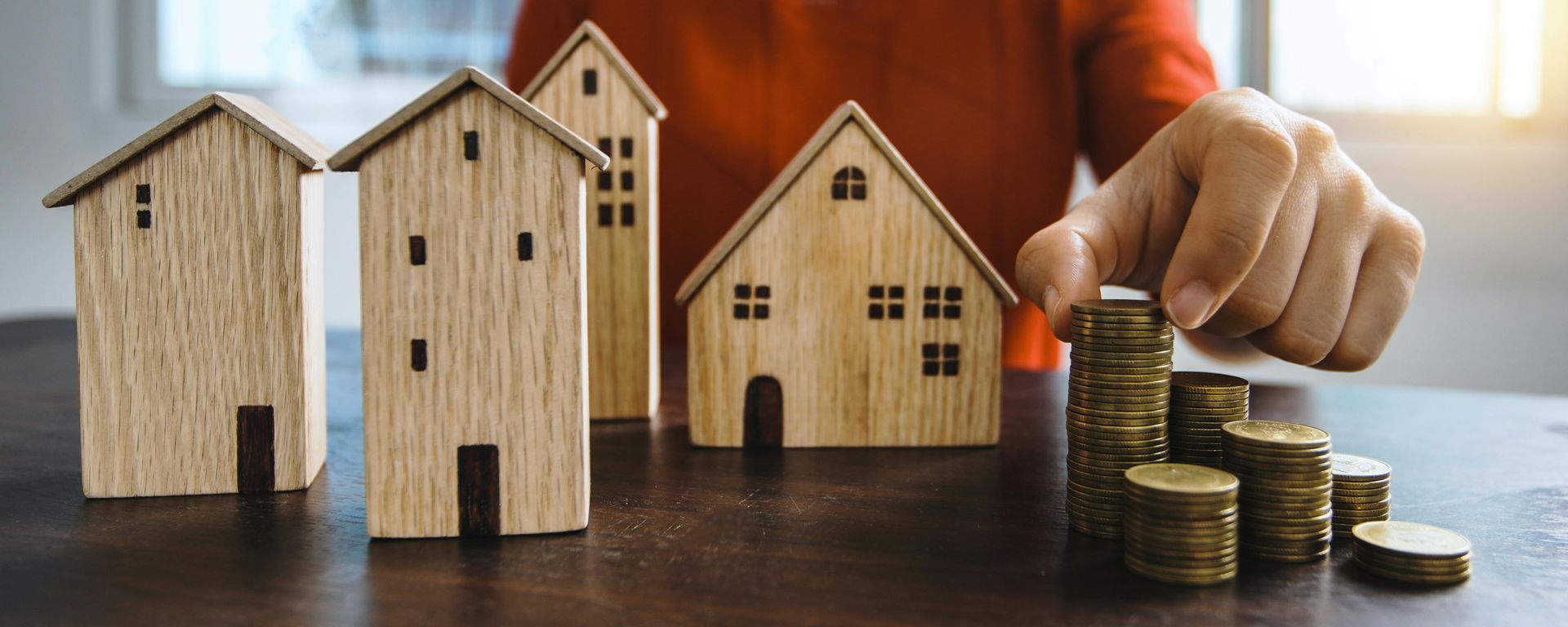
What Makes a Property a Good Investment?
Wondering what to look for in an investment property? Here are a few questions we advise our clients to ask when looking for an investment property.
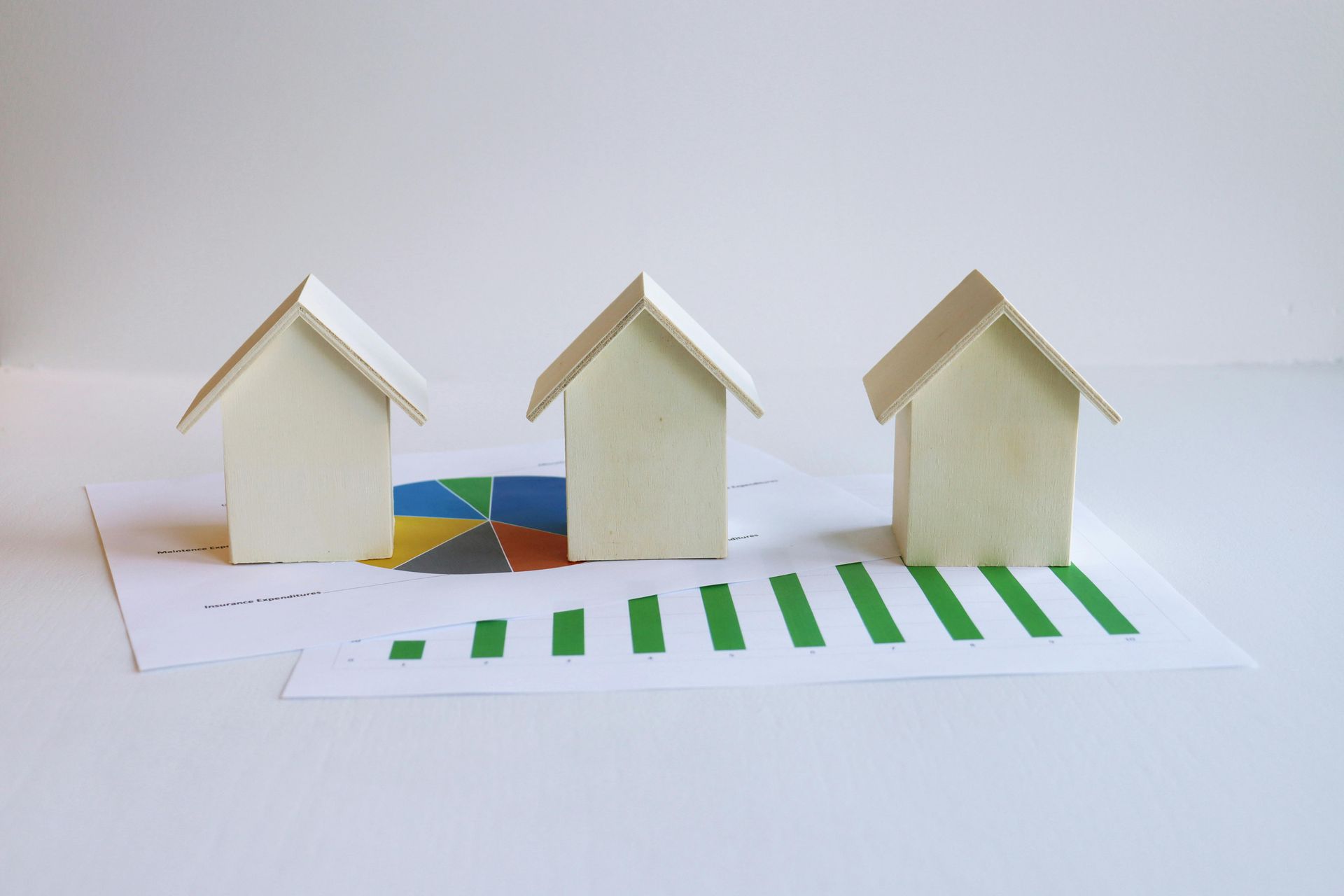
If you're looking to buy an investment property or just interested in how much return you could get through investing in real estate, there are some important questions we help our clients answer as we help them find the best investment property that will bring the highest return.
1) Will the overall income from this property outweigh the costs?
All investors look for a good deal. They want a cheap property that will yield high returns. However, oftentimes the cheaper the property, the more hassle, work, time and money you'll have to put into a property to get a return on your investment. On the flip side, if you find a property that is higher in price with updates already made to the property, you may have less hassle but a smaller rate of return. It's important to weigh the costs, which are not always just financial.
Ultimately, the monthly rental income should be able to help cover the costs of your monthly mortgage payments, property tax, maintenance costs, and possible HOA fees and utilities (esp. for multi-unit buildings). The age of the property is also important to consider. Generally, the older the property is, the more money it will take to maintain the property over time. Also, it's important to assume a 5-10% vacancy rate to account for times when no rent will be coming in, such as when you're fixing up the property or there is a turnover of tenants.
On a positive note, there are always some tax benefits you can get on your income property such as tax deductions of mortgage interest, property taxes, building depreciation, property management fees, etc. You can also anticipate a 3% increase in rental income each year, which is reasonable.
2) Is the property likely to appreciate in value?
Finding a property in a great neighborhood or area is always likely to appreciate in value. Is the home in a good school district? Are there nearby amenities that people would want to live near such as shopping, nature trails, the beach or a park? These help guarantee a home's likelihood of appreciating in value.
On the flip side, it's important to note any negative aspects to the location that can't be changed no matter how much you improve the property. For example, is the home near an airport or highway which could deter renters because of sound disturbances? Is major construction being planned near the home or are industrial facilities nearby that could make residents question the safety/health of their living environment? These factors could stunt a property's potential for appreciation.
Analyzing the predicted job growth and population growth in the area you're looking to buy is also very important in knowing whether a home will appreciate in value. If there is an influx of new businesses and industries? If so, there will probably be more employees needing housing in the area. Are nearby improvements being made in the community? This could make an area more desirable to live in.
3) Do the numbers make sense?
If you're looking to buy a rental property, we usually recommend the 1% rule -- the monthly gross rental income needs to be at least 1% of the total purchase price. This is a pretty conservative number, but a good quick rule of thumb to determine whether the property you're looking to buy is going to make money. Getting a good CMA for what the property is worth and also for the kind of rental income the property could bring in, will provide a good basis for whether it fits the 1% rule.
Another goal to aim for is a 10% cash-on-cash return. You can get this number by first figuring out your net cash flow, which is the rental income you expect to receive after deducting costs of property management fees, property taxes, mortgage payments and other miscellaneous expenses. You can figure out your cash-on-cash return percentage by dividing your net cash flow by your initial investment, or total money spent on the property (this includes down payment, closing costs, or any money put into the property to get it ready for renting). If that percentage is 10% or more, then you know you have a viable investment.
All in all, there are many factors to consider when looking for an investment property. Our team would be glad to help you find the right investment property for your needs. Contact us today!
Share this post